Car‑Free City Escapes That Let You Truly Arrive
Step into cities where engines fade and senses return. Today we explore Car‑Free City Escapes, from rail‑served old towns to island districts reachable by ferry and foot. Expect practical routes, lived stories, packing insights, and ways to connect with fellow travelers who cherish unhurried streets, soft soundscapes, and discoveries that begin the moment you arrive without carrying keys to a trunk.

Arriving Without a Car

The best beginnings happen when your first step off the platform or gangway already feels like part of the journey. Think quick rail hops into historic centers, ferries gliding to promenades, and coaches stopping beside walkable squares. From Zermatt’s train‑only heart to Venice’s vaporetto piers and Ghent’s tram‑kissed plazas, arrival shapes mood, pace, and possibility. Plan the welcome carefully, and the city will greet you gently, with bells, water, stone, and conversations that do not need to compete with idling engines.
Choose routes that deliver you into the center, not just the outskirts. European intercity trains often finish within steps of trams and café terraces, turning transfers into small celebrations. I still remember stepping into Ghent and hearing bicycle bells mix with church chimes. No taxi queue, no exhaust haze, only the relief of immediate belonging and the easy confidence to start exploring with a croissant in hand and no timetable stress clouding the first morning.
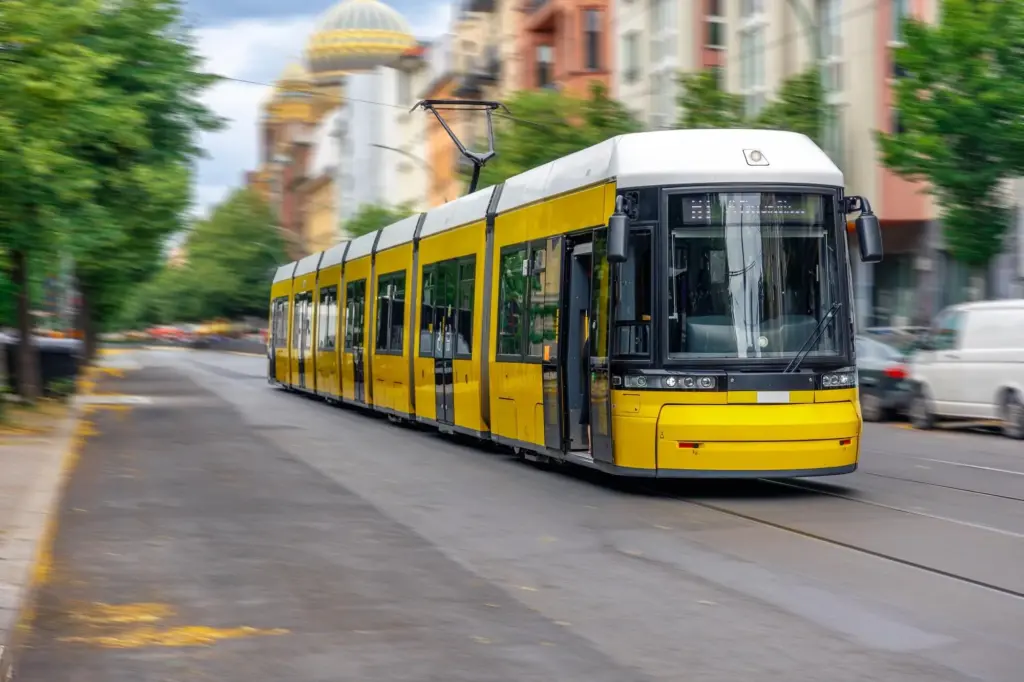
After the long haul, the final stretch should be playful, not puzzling. Favor cities where trams, funiculars, or compact shuttle boats thread directly to pedestrian streets. In Venice, a vaporetto ride doubles as orientation and theater; in Bergen, the funicular lands you above a town knit by footpaths. Look for clear signage, frequent departures, and stations that open into squares instead of parking lots, so your first impression is a human one, not a row of bumpers.
Car‑free movement rewards those who trim the unnecessary. A soft‑shell bag with backpack straps, a compressible rain layer, and shoes that handle cobbles transform effort into ease. Rolling through Zermatt’s station is effortless when you can lift everything in one go. Keep chargers, refillable bottle, and transit card at reach. Pack your expectations lighter, too; lingering five unplanned minutes at a street musician can outweigh any checklist that demands sprinting between distant, car‑dependent sights.

Gliding Through Streets Without Steering Wheels

Once settled, the city reveals its logic through walkways, cycle networks, trams, and watercraft. There is a choreography to motion when motors are not the lead dancer. Copenhagen’s harbor circles, Strasbourg’s river bends, and Freiburg’s greenways invite you to string episodes into a day rich with pauses. You will feel distances shrink, moods lift, and curiosity widen as the map becomes a living companion rather than an obstacle to be conquered behind glass.

Sleep Where Quiet Is Part of the Address
Your lodging can amplify every calm decision you make. Choose corners where footsteps outnumber tailpipes and windows open to courtyards instead of traffic. In pedestrian cores of Bruges or Kraków, mornings begin with delivery bikes, clinking cups, and distant bells. Proximity to transit stops and market streets keeps spontaneity alive. A place that respects stillness helps you return restored each evening, ready to collect more conversations, flavors, and views by daylight without spending energy on dodging vehicles.

Eating, Listening, Wandering: Culture at Walking Pace
Tasting a city without a car means menus discovered by smell, stories overheard in line, and venues found because the music tugged you around a corner. Markets invite you to ask growers about soil and seasons. Small galleries open when you press a bell instead of a throttle. Without parking anxiety, you linger, compare, return, and carry only what you love. The city becomes delicious and talkative, and you become its most attentive kind of guest.

Three Itineraries to Borrow and Personalize

Steal these outlines and make them yours, swapping museums for markets or bikes for boats as the weather and your mood nudge you. Each sketch begins where trains, trams, and feet work together, ensuring every hour expands rather than contracts. Add long coffees, shorten lines, and scatter unplanned pauses generously. The goal is not coverage; it is belonging. Keep space for surprises, because the most memorable corners often arrive when you follow a laugh rather than a landmark.

Forty‑eight unrushed hours in Ghent, Belgium

Arrive by train, hop the tram to Korenmarkt, and drop bags near the Leie. Day one: canal strolls, Design Museum, bike loop to the old abbey, sunset from St. Michael’s Bridge. Day two: Vrijdagmarkt breakfast, street art hunt on foot, and a lingering lunch by water. Trams stitch everything together; lanes feel welcoming. Leave time for a chocolaterie detour you did not plan. You will board your train home scented like waffles, wood, and a little rain.

A weekend in Zermatt with nothing but footsteps and views

Roll into the car‑free station, wheel your bag along clean streets, and ride the Gornergrat railway for mountain horizons that reorganize your thoughts. Afternoon strolls thread between chalets; dinner is a slow conversation with melted cheese and grateful silence. Next morning, rent e‑bikes to reach meadows and tinkling bells. Everything you need is reachable, calm, and framed by peaks. Depart feeling taller, lungs fuller, and promises made to return for the same simplicity.

The Deep Benefits: Lighter Footprints, Lighter Minds

Choosing streets where people come first quietly transforms health and habitat. Fewer tailpipes mean clearer skies and calmer hearts. Steps stack into stamina, and conversations replace honks. Measured studies show lower emissions per kilometer when transit and walking anchor trips, while residents near calm corridors report better sleep and stronger neighborhood ties. You feel it immediately: shoulders drop, breath deepens, and time stretches. Traveling this way is not sacrifice; it is subtraction that reveals more of what matters.

Numbers that help decisions feel solid, not just idealistic

Comparing a short‑haul flight plus taxi against a fast train plus tram often shows surprising gains: lower emissions, less particulate exposure, and fewer hidden costs. Even shifting some segments to walking changes outcomes meaningfully. Cities that invest in protected lanes and frequent transit reduce collisions and healthcare burdens. Track your own trip with a simple carbon calculator and step counter. Evidence builds confidence, and confidence makes it easier to pick the calmer option again next time.

Bodies and minds that thank you by day three

By the third morning, shoes mold to strides and pace becomes conversational. Muscles wake gently on stairs, posture rises without dashboards, and meals feel earned. Mental benefits compound: fewer abrupt noises, more time outdoors, and frequent micro‑interactions you would miss behind glass. Even weather shifts become texture, not inconvenience. You end days pleasantly tired, not frazzled, and sleep lands quickly. The net effect is clarity that travels home with you and lingers past the suitcase unpacking.

Making car‑light travel welcoming for kids and elders

Design trips around frequent benches, elevators, and playful stops. Trams are adventures when drivers wave and bell signals chime gently; ferries become stories children retell. Choose compact loops, dessert incentives, and parks as anchors between sights. For elders, prioritize step‑free stations, tactile paving, and accommodations near transit. Share printed maps and simple meeting points. When everyone can rest, rejoin, and participate, the city opens kindly, proving that accessibility and delight can share the same thoughtful routes.

Your Turn: Help Map the Next Escape

This space grows richer with your routes, mishaps, and small victories. Tell us where you felt engines fade and community bloom. Which tram line changed a morning, which bakery pulled you off plan, which ferry view rearranged your priorities? Drop tips, photos, and questions so others can craft gentler journeys. If a city surprised you with kindness, point the way. We will revisit, refine, and celebrate practical paths that anyone can follow without holding a car key.